Deer Embroidery Design Review for Small Business Merch
As an embroidery designer who has spent years digitizing and reviewing files for commercial use, I approach every new machine embroidery design with a critical eye. It is not just about whether the artwork looks cute on a screen; it is about how that digital embroidery file translates into a tangible asset for a brand. Today, I am reviewing the Deer design, a file categorized under Wild Animals, to determine its viability for small business merchandise, branded patches, and custom apparel.
The product description promises a "high quality embroidery design which is fun and easy to stitch" and claims it will look "elegant and gorgeous when stitched onto any fabric." While marketing copy often leans towards the hyperbolic, my job is to verify if these claims hold up under the pressure of real-world production. For boutique owners, café managers, and Etsy sellers, the difference between a professional-looking logo and a messy stitch-out can define customer trust.
First Impressions and Visual Personality
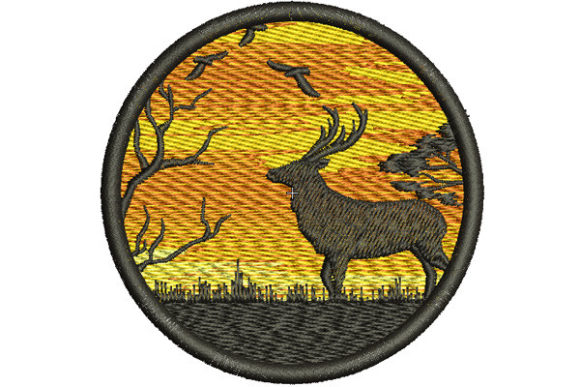
Upon loading the Deer file into my editing software, the immediate impression is one of approachable elegance. The silhouette suggests a rustic yet refined aesthetic, making it highly versatile for brands that want to convey a connection to nature without sacrificing sophistication. Unlike some aggressive wildlife motifs, this design feels friendly and inviting. It strikes a balance between being playful enough for a children's boutique and classic enough for a high-end florist or a craft studio.
The description notes that the file comes with "multiple embroi," which I interpret as multiple sizes or formats included in the package. This is a crucial feature for business users who need to scale a logo from a tiny chest emblem on a uniform to a larger back patch on a tote bag. The visual weight of the deer appears substantial enough to stand out on dark uniforms but delicate enough to avoid looking like a heavy blob on lighter fabrics.
Real-World Business Applications
Where does Deer truly shine? In my experience, this type of design is a powerhouse for small business merch. Imagine a local coffee shop wanting to upgrade their staff uniforms. An embroidered patch featuring this deer could be sewn onto the sleeve of a denim apron or the chest of a work shirt. It adds a layer of brand identity that printed ink simply cannot match. The texture of the thread gives the logo a premium feel, signaling to customers that the business cares about quality details.
For handmade brands selling on platforms like Etsy, incorporating Deer into product packaging or as a sew-on label can elevate the perceived value of the handmade product. It works exceptionally well as a cap embroidery element for outdoor gear shops or as a subtle accent on canvas tote bags. Because the design is described as "easy to stitch," it is also an excellent candidate for high-volume commercial embroidery projects where machine downtime needs to be minimized. Whether used as a standalone logo or part of a larger collection of design assets, the deer motif fosters recognition and consistency across different touchpoints.
Ideal Use Cases for the Deer Design
- Staff Uniforms: Perfect for aprons in bakeries or shirts for park rangers and guides.
- Branded Patches: Ideal for iron-on or sew-on patches included with customer orders.
- Headwear: Works well on the front panel of baseball caps or beanies.
- Tote Bags: Adds a decorative yet professional mark to canvas shopping bags.
- Event Merchandise: Great for commemorative items at craft fairs or local markets.
Technical Considerations and Potential Pitfalls
While the promise of a design that looks gorgeous on "any fabric" is appealing, experienced decorators know that fabric texture plays a massive role in the finished product. When working with Deer, one must be cautious about stitch density. If the design is too dense, it can cause puckering on lightweight materials like poly-cotton blends commonly used for uniforms. Conversely, on thick towels or textured fleece, fine details might get lost.
Small business owners should also be wary of using this design at extremely small scales, such as on a narrow hat band or a tiny collar tag. Complex outlines in wildlife designs can merge together if the stitch count is too high for the reduced size. Before committing to a large run, it is vital to test the design on the specific material you intend to use. Dark uniforms require careful selection of thread colors to ensure the deer stands out; a lack of contrast can render the logo invisible from a distance.
Furthermore, curved surfaces like cap fronts present a challenge. The distortion inherent in embroidering on a curve can alter the proportions of the deer's antlers or legs. A skilled digitizer or operator must account for pull compensation to maintain the integrity of the image.
Impact on Brand Identity and Customer Trust
In the competitive landscape of small business, visual consistency is key to building trust. Using a high-quality embroidery file like Deer signals professionalism. When a customer receives a tote bag or an apron with a crisp, well-executed embroidered logo, it reinforces the idea that the brand values quality. This tactile experience enhances buyer engagement and can turn a simple transaction into a loyal relationship.
The rustic and natural vibe of the deer aligns perfectly with brands focusing on sustainability, organic products, or outdoor lifestyles. It helps tell a story without words. However, if the execution is poor—due to bad stabilizer choice or incorrect tension—it can have the opposite effect, making the brand appear amateurish. Therefore, the choice of this design must be paired with technical proficiency.
Practical Notes for the Professional Designer
Before integrating Deer into your production workflow, I recommend following these practical steps to ensure success:
- Test in Black and White: Run a sample using only black thread on white fabric (and vice versa) to check for clarity and definition without the distraction of color.
- Verify Small Scale Performance: Stitch a miniature version to ensure details do not collapse, especially if planning to use it as a small patch.
- Review Thread Contrast: Select thread colors that offer sufficient contrast against your base fabric to maintain visibility.
- Inspect Spacing: Check the spacing between satin columns or fill areas to prevent thread breaks or bird nesting.
- Confirm Hoop Size: Ensure the design fits within your available hoop size constraints, particularly for smaller machines or specific garment areas.
- Test on Real Fabric: Always do a run-off on the actual garment material, not just a scrap of similar weight.
- Use Proper Stabilizer: Match your stabilizer type (cut-away, tear-away, or water-soluble) to the fabric stretch and weight.
- Create a Printable Mockup: Generate a printable mockup to show clients how the custom apparel or accessory will look before stitching begins.
- Compare Design Assets: Place the deer beside other logo elements to ensure visual harmony across your branding suite.
- Check Licensing: Confirm the commercial licensing terms included with the file to ensure you are authorized for resale or mass production.
Since the product description mentions the file comes with "multiple embroi" but does not specify exact stitch counts, file formats, or precise hoop requirements, it is imperative to inspect the downloaded folder thoroughly. Do not assume compatibility; verify that the formats match your machine's capabilities. If the documentation is vague, reach out to the vendor or perform rigorous testing before promising delivery dates to clients.
In conclusion, the Deer embroidery design holds significant potential for enhancing brand identity across various industries. With its blend of elegance and rustic charm, it serves as a versatile tool for creating memorable merchandise. However, its success relies heavily on the operator's attention to detail regarding fabric choice, stabilization, and sizing. By treating this digital embroidery file with the respect and technical scrutiny it deserves, small business owners can transform a simple graphic into a powerful symbol of their brand's quality and character.