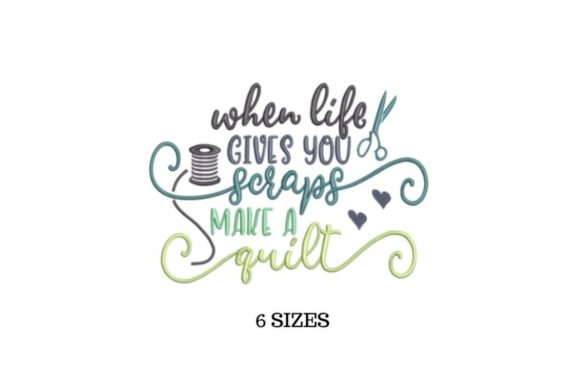
Quilt: A Charming Machine Embroidery Design for Personalized Gifts
As an embroidery designer who spends countless hours testing files before they ever touch a customer's fabric, I approach every new machine embroidery design with a critical eye. When I first loaded the Quilt embroidery file onto my machine, I was looking for more than just pretty stitches; I was looking for reliability, charm, and the kind of emotional resonance that turns a simple piece of cloth into a cherished personalized gift. This review is written from the perspective of a professional preparing to use this design in a real-world shop setting, evaluating its potential for baby showers, wedding registries, and everyday custom orders.
First Impressions: Mood and Visual Appeal
The immediate impression of Quilt is one of warmth and nostalgia. It captures that specific, cozy aesthetic associated with traditional crafting without feeling outdated. The design feels undeniably handmade, possessing a playful yet classic vibe that appeals to a wide demographic. Whether you are targeting new grandmothers, expecting parents, or lovers of farmhouse decor, the mood here is inviting. It is not overly ornate, which is a significant plus; sometimes, the most effective designs are those that allow the texture of the fabric to shine through while adding a cheerful focal point. The digitization appears clean, suggesting that the transition from screen to thread will be smooth, provided the operator pays attention to material selection.
Versatility Across Product Lines
One of the strongest assets of the Quilt design is its adaptability. In my planning phase for upcoming seasonal collections, I can visualize this digital embroidery file working seamlessly across several product categories:
- Baby Embroidery: Perfect for adorning receiving blankets, bibs, or nursery wall hangings. The gentle aesthetic suits soft pastels and neutral tones ideal for newborns.
- Wedding Gift: When stitched onto high-quality linen or cotton, it becomes a sophisticated keepsake for a couple's first home, perhaps on a tea towel or a decorative pillow.
- Kitchen Linens: An embroidered towel featuring this design makes for an excellent hostess gift or a charming addition to a country-style kitchen.
- Tote Bags and Aprons: For craft fair stalls or Etsy listings, applying this to canvas totes or cotton aprons creates a cohesive "maker" brand identity.
- Pillow Covers: A pillow cover with this motif adds instant character to a living room or guest bedroom, appealing to customers looking for quick home decor updates.
For an Etsy seller or small shop owner, having a design that performs well on such a variety of substrates is invaluable. It allows you to create a diverse inventory without needing to purchase dozens of different patterns. The finished product looks professional and thoughtful, which is exactly what buyers are searching for when they want something unique.
Technical Considerations and Fabric Challenges
While the description notes that this is a "very well digitized design," practical application requires caution. As a professional, I never skip the testing phase. Here are the specific areas where Quilt requires careful handling to ensure a premium result:
- Fabric Texture and Thickness: Thick towels can sometimes cause registration issues if the design has fine details. Always test on the actual weight of the towel you intend to sell on. Conversely, on stretchy baby clothes, the stability of the stitch is paramount.
- Small Lettering and Delicate Details: If the design incorporates any text or very fine lines, these can get lost on textured fabrics like terry cloth or waffle weave. Ensure there is enough contrast between the thread colors and the base material.
- Curved Surfaces: Stitching on items like rounded pillow inserts or filled toys requires proper hooping techniques to prevent puckering. The design should be centered carefully to avoid distortion.
- Dark Fabrics: While the design is cheerful, verify how the colors pop against navy, charcoal, or black backgrounds. You may need to adjust the underlay or choose brighter thread shades to maintain visibility.
- Washability: Products meant for babies or kitchens will undergo frequent washing. The stitch density must be balanced; too dense, and the fabric becomes stiff; too light, and the threads may loosen over time.
It is crucial to remember that the product description mentions "multiple embr," likely implying multiple sizes or formats. However, exact specifications like hoop size, precise stitch counts, or specific file formats are not explicitly detailed in the brief overview. Before committing to a large production run, you must download the preview or check the full specification sheet to confirm the design fits your smallest hoop if you plan on doing small batch work.
Enhancing Perceived Value and Customer Trust
In the world of commercial embroidery, the perceived value of a handmade product often hinges on the quality of the decoration. A design like Quilt signals care. It tells the customer that this isn't a mass-produced item from a big-box store; it is a small shop product created with intention. When photographed correctly, perhaps styled with rustic props or soft lighting, this design can significantly boost buyer engagement on social media and marketplaces.
Using a printable mockup to show potential clients how Quilt will look on their chosen item before they order can also increase conversion rates. It builds trust by managing expectations and showcasing the versatility of the custom embroidery. For wedding gift designers, the emotional connection fostered by such a nostalgic and sweet design can turn a one-time buyer into a repeat customer who returns for baby showers and holidays.
Practical Notes for Production
To ensure the highest quality outcome when using Quilt for your business, adhere to these best practices:
- Test on Scrap Fabric: Never run a new design on final goods without a test stitch-out on the same material.
- Check Thread Contrast: Verify that your chosen palette offers sufficient definition, especially for intricate parts of the pattern.
- Confirm Hoop Size: Ensure the design dimensions align with the hoops you have available, particularly if working with smaller items like socks or cuffs.
- Review Stitch Density: Adjust tension or density settings if the fabric is particularly delicate or heavy.
- Use Proper Stabilizer: Match your stabilizer to the fabric type—cut-away for stretchy knits, tear-away for stable wovens—to prevent shifting.
- Compare Mockups: Create digital or physical mockups on both light and dark fabrics to see which sells better in your specific niche.
- Inspect Small Details: After stitching, closely examine the edges and small elements for any loose threads or gaps that need trimming.
- Verify Licensing: Always confirm the commercial licensing terms included with the file to ensure you are permitted to sell finished goods made with this design.
In conclusion, Quilt represents a solid choice for anyone in the Sewing and Embroidery industry looking to expand their catalog of heartfelt gifts. Its blend of classic charm and practical digitization makes it a versatile tool for creating meaningful connections with customers. By respecting the technical nuances of fabric and thread, you can transform this simple design into a standout product that delights recipients and strengthens your brand reputation.