Teddy Bear Stuffie ITH: A Craft Fair Designer's Review
As an embroidery designer who has spent countless weekends behind a booth at local craft fairs and handmade markets, I know that the difference between a browsing customer and a buying customer often comes down to one thing: immediate visual appeal. When I pulled up the Teddy Bear Stuffie ITH design file on my screen this morning, my first thought wasn't just about the stitches; it was about the potential revenue sitting in that digital folder. This isn't just another cute graphic; it is a strategic asset for anyone looking to expand their inventory of handmade products with high emotional value.
First Impressions and Market Viability
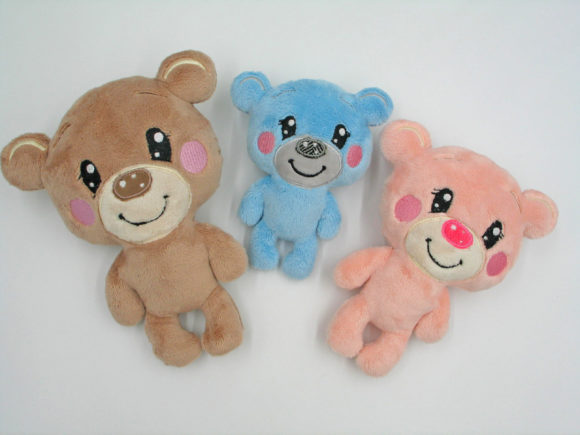
The title and description promise a "cute teddy bear stuffie" that can become a child's favorite toy. In the world of craft fair product selection, "cute" is a powerful driver, but it needs to be executed with precision to stand out against mass-produced items. My initial assessment of the Teddy Bear Stuffie ITH is that it leans heavily into the soft, nostalgic, and gift-ready aesthetic. It feels approachable and warm, perfectly suited for the current trend of personalized, heart-led gifting.
For an Etsy seller or boutique maker, this design hits the sweet spot between whimsical and classic. It doesn't scream "trendy" in a way that will look dated in six months; instead, it offers a timeless charm that appeals to grandparents, parents, and aunties alike. The "In The Hoop" (ITH) nature of the file suggests a three-dimensional finished product, which immediately elevates it above flat embroidery. Customers at a market booth love to touch and squeeze 3D items; they engage with them physically, which significantly increases the likelihood of a sale.
Strategic Product Applications
While the primary function of an ITH file is to create a stuffed toy, as a business owner, I always look for secondary applications to maximize the value of a single digital embroidery file. Here is how I see the Teddy Bear Stuffie ITH performing across various small shop products:
- Tote Bag Design: Placing a completed, small-scale version of the bear (or just the face if the file allows separation) on a canvas tote creates an instant bestseller for back-to-school seasons or baby showers.
- Apron Embroidery: A teddy bear motif on a child's apron or a baking apron for mom adds a layer of personalization that justifies a higher price point.
- Tea Towel Embroidery: While ITHs are 3D, the design elements can often be adapted or used as a focal point on kitchen linens, creating a cohesive nursery or kitchen set.
- Embroidered Patch: If the design holds up well at smaller sizes, stitching it onto a twill base and cutting it out creates a fantastic iron-on or sew-on patch for denim jackets and backpacks.
- Fabric Pouches and Pillow Covers: The soft aesthetic translates beautifully to home decor. Imagine a nursery pillow featuring this bear; it becomes a centerpiece for a room.
The versatility here is key. By using the same machine embroidery design across different substrates, you create brand consistency in your booth display. A customer might walk in looking for a toy but leave with a matching tote and towel because the visual language is so strong.
Production Realities and Practical Selling Points
When preparing for a weekend market, batch production efficiency is everything. The Teddy Bear Stuffie ITH appears to be designed for repeatability. However, before running a dozen units, there are critical factors to evaluate regarding stitch density and fabric compatibility.
One major advantage of this design type is its photographability. For your Etsy listings and social media promotions, 3D ITH projects photograph exceptionally well because they have depth and shadow. They look substantial in a printable mockup or a real-life photo, conveying a sense of premium quality that flat designs sometimes lack. This perceived value allows you to price your finished product higher than a standard embroidered hat.
However, we must address the practical challenges. ITH projects require precise hoop management. You need to confirm the hoop size required for this specific file. If it requires a large hoop, it might limit your ability to run multiple items simultaneously unless you have a multi-needle machine with large capacity. Furthermore, the description mentions stitching with "love and care," which implies that the finish matters. Loose threads or poor stuffing techniques will be immediately visible on a 3D object, unlike a flat design where minor imperfections might hide in the fabric texture.
Critical Considerations for Commercial Success
To ensure the Teddy Bear Stuffie ITH becomes a profit center rather than a source of frustration, keep these careful-use notes in mind during your production planning:
- Fabric Texture and Contrast: Teddy bears rely on softness. Using a textured towel or a rough canvas might obscure the fine details of the bear's face. Always test on a smooth, high-quality minky or cotton blend first. Ensure your thread colors contrast sufficiently with the fabric; a light brown bear on a tan bag will vanish from a distance.
- Density and Durability: Check the stitch density in the facial features. If the design is too dense, it may cause puckering on lighter fabrics. If it is too sparse, the stuffing might show through. Balance is essential for a professional look.
- Small Details: Be wary of tiny details like eyes or noses if you plan to scale the design down for patches or caps. Small lettering or intricate stitch work can lose clarity on curved cap surfaces or when reduced below a certain inch threshold.
- Stabilizer Selection: Because this is a stuffed item, the structural integrity is paramount. Use a heavy-duty cut-away stabilizer to prevent the design from sagging over time, especially if the toy will be hugged and washed frequently.
Final Verdict for the Handmade Entrepreneur
The Teddy Bear Stuffie ITH is more than just a file; it is an invitation to create emotional connections with your customers. In a market saturated with generic goods, this design offers the warmth and uniqueness that defines the handmade product sector. It strengthens your booth display by adding a tactile element that draws people in.
Before you commit to full-scale production, I strongly advise you to test the design on scrap fabric. Verify the spacing of the seams, inspect the stitch density under magnification, and create at least one real mockup to see how it sits on a table. Compare how it looks on different fabric colors to determine your best-selling combinations. Most importantly, review the license terms associated with the design assets. Ensure you have the rights for commercial embroidery sales, as licensing terms vary by designer.
If executed with attention to detail, the Teddy Bear Stuffie ITH has the potential to be a staple in your inventory, driving engagement and sales through its undeniable charm and practical application in the modern crafting economy.