Turkey Embroidery Design: A Pro Review for Holiday Projects
As a designer who spends more time staring at stitch simulations than most people care to admit, I approach every new machine embroidery design with a mix of excitement and skepticism. When I first loaded the Turkey file onto my screen, my immediate reaction was one of relief. Finally, a holiday motif that balances whimsy with enough structural integrity to look professional on a finished product. This isn't just a clipart conversion; it feels like a purpose-built embroidery project ready for the demands of the Thanksgiving season.
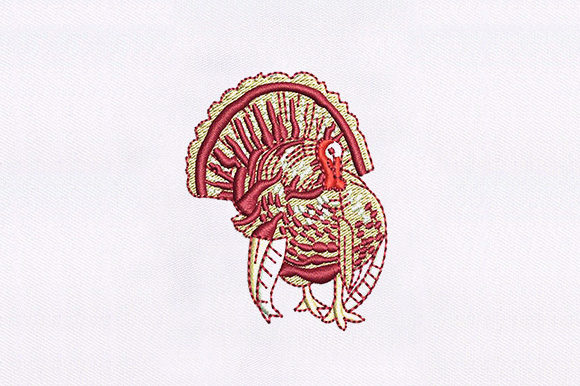
The visual personality of this Turkey design strikes a chord that fits perfectly within the Birds category while maintaining a distinct festive flair. The layout suggests a thoughtful arrangement of shapes, likely utilizing a combination of satin stitch for the outlines and definition, paired with fill stitch areas to give the body volume and texture. For those of us running small shops or Etsy stores, the first impression is crucial. This design exudes a handmade charm that customers actively seek during the holidays, avoiding the sterile look of mass-produced graphics.
Real-World Application: From Screen to Sweatshirt
To truly evaluate an embroidery file, you have to imagine it in a real-life scenario. I pictured this Turkey centered on a heather grey crewneck sweatshirt, a staple item for autumn sales. The level of detail described in the product notes suggests it would hold up beautifully here. Unlike simpler motifs that can get lost on textured fleece, a detailed design like this commands attention. It transforms a basic garment into a custom apparel piece that feels exclusive.
Beyond apparel, I can see this working exceptionally well as a tote bag design. Canvas provides a stable base that allows the intricate details to shine without sinking into the nap of the fabric. Imagine a set of these bags sold as a bundle for hosting Thanksgiving dinners; the perceived value jumps significantly when the embroidery looks crisp and deliberate. For Etsy sellers and creative entrepreneurs, this versatility is gold. You aren't limited to one product type; you are building a cohesive holiday collection.
For those focusing on home decor, this design is a strong contender for holiday embroidery on kitchen textiles. A linen tea towel or a cotton apron featuring this turkey adds a touch of seasonal warmth to a kitchen. However, the "detailed" nature mentioned in the description requires careful consideration regarding the fabric texture. On a waffle weave or a very loose linen, fine details might get obscured. In those cases, I would recommend testing the design on a tighter weave or adjusting the underlay settings if your machine allows for edits.
Navigating Technical Challenges and Fabric Choices
While the aesthetic appeal is high, practical execution is where many designs fail. The Turkey design appears robust, but any detailed Embroidery work demands respect for material limitations. If you are planning to stitch this on stretchy fabrics like jersey knits for baby embroidery projects, stabilization is non-negotiable. A cut-away stabilizer would be my go-to choice here to prevent the design from distorting after repeated washes, ensuring the finished product retains its shape and professional look.
Curved surfaces present another hurdle. Placing this on a cap or a structured hat requires precision. The density of the stitches, particularly if there are large fill areas, needs to be balanced against the curvature of the crown. If the stitch density is too high, it could cause puckering or make the hat stiff and uncomfortable. I always advise running a test stitch-out on a scrap piece of the actual cap material before committing to production. This simple step saves thread, time, and reputation.
Color contrast is another critical factor. The product description mentions multiple file formats, which usually implies scalability, but it doesn't specify thread colors. When working with dark fabrics, a standard color palette might get lost. You may need to manually adjust the thread sequence in your software to ensure the Turkey pops against navy or black backgrounds. Conversely, on white fabric, ensure your outline stitches are dark enough to define the shape clearly. Testing the design in black and white mockups can reveal if the silhouette holds up without relying on color differentiation.
Commercial Viability and Brand Consistency
For craft business owners, the ultimate question is: does this design sell? The answer lies in the presentation. A well-executed Turkey embroidery elevates brand perception. It signals to the buyer that you care about quality and detail. Whether you are selling personalized gift items or small shop product lines, consistency is key. If this design matches the quality of your other offerings, it reinforces trust. Customers are more likely to return if their holiday gift arrives looking exactly as promised, with clean edges and no loose threads.
The potential for this design extends to embroidered patch creation as well. If the file supports it, stitching this onto twill backing and cutting it out creates a versatile accessory that can be ironed onto jackets or bags later. This opens up a secondary revenue stream for digital product sellers who might offer both physical goods and design assets. However, always verify the licensing terms. Just because a file comes in multiple formats doesn't automatically grant commercial rights. Always confirm you are cleared to sell commercial embroidery items made with this specific file.
Final Designer Notes for Success
Before you start churning out inventory, take a moment to review the technical specifics. Since the exact hoop size and stitch count aren't explicitly detailed in the brief description, check the download folder immediately upon purchase. Ensure the design fits your smallest hoop if you plan on doing monogram-style placements, or your largest if you want a statement back-piece on a jacket.
- Test First: Always stitch a sample on scrap fabric identical to your final product material.
- Check Density: Inspect the back of the sample for excessive thread buildup which can cause skin irritation on wearables.
- Thread Selection: Use high-quality rayon or polyester threads to capture the sheen and detail intended by the designer.
- Stabilizer Match: Pair the stabilizer weight to the fabric weight; don't guess.
- Licensing: Double-check the license agreement regarding resale limits and digital distribution.
In conclusion, the Turkey embroidery design offers a compelling blend of festive spirit and technical substance. It is a versatile asset for anyone looking to expand their autumn catalog with confidence. By respecting the nuances of fabric, tension, and placement, you can turn this digital file into a tangible product that delights customers and strengthens your brand. Happy stitching!