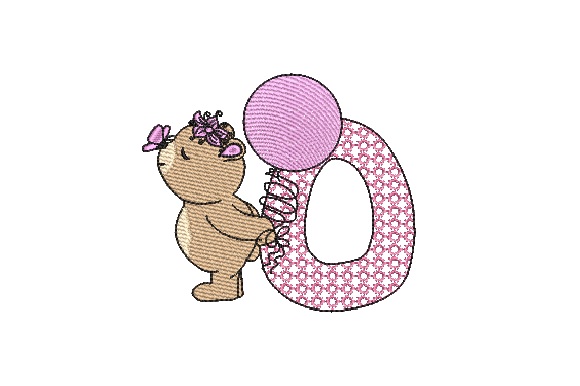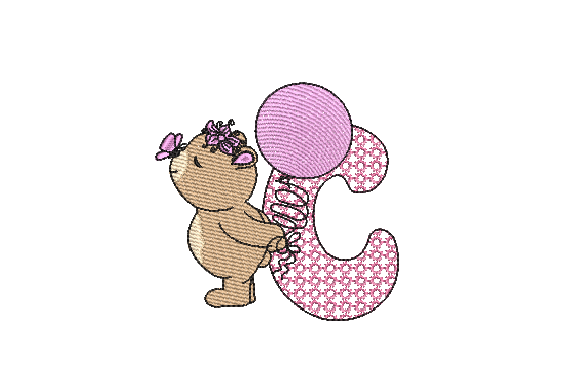
C Girl Teddy: A Hand-Drawn Sketch for Modern Embroidery
As a designer who spends more time staring at stitch maps than most people spend looking at their phones, I am always hunting for that sweet spot between artistic flair and technical reliability. When I first pulled up the C Girl Teddy embroidery design, my immediate reaction wasn't just about cuteness; it was about utility. In the world of custom apparel and handmade goods, we often get stuck choosing between dense, heavy logos that look professional but feel stiff, and loose, sketchy designs that look great on screen but turn into a bird's nest on the hoop. This design promises a hand-drawn aesthetic with light fill and minimal underlay, claiming to offer major impact with quick stitch-out times. Let's break down whether this machine embroidery design holds up when the needle actually hits the fabric.
The Visual Personality: Soft, Sketchy, and Intentional
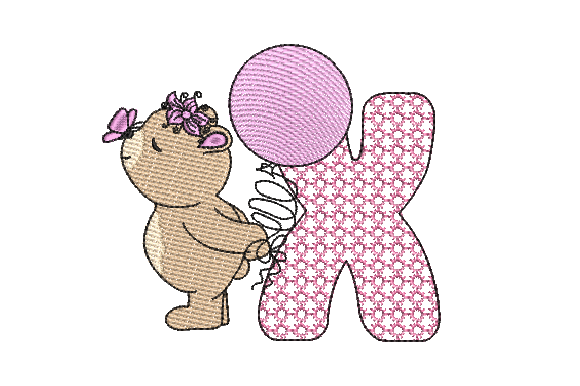
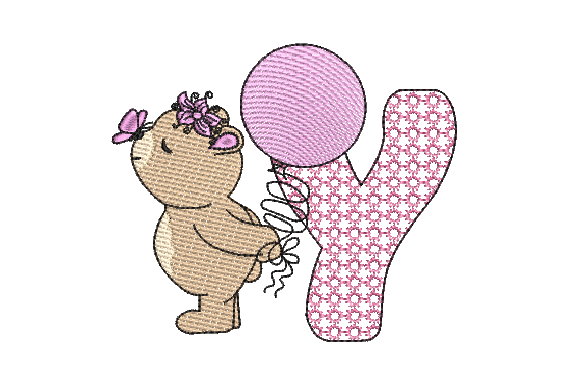
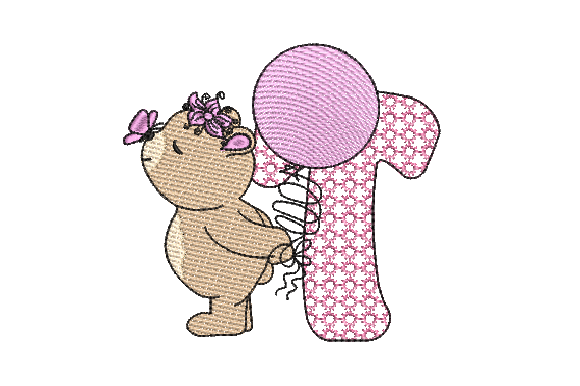
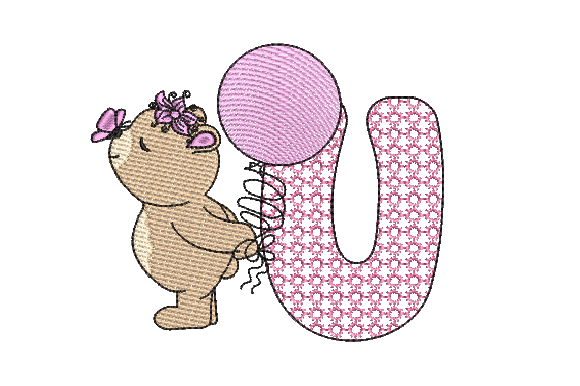
The first thing you notice about C Girl Teddy is its mood. It doesn't scream for attention like a bold satin stitch monogram might. Instead, it whispers. The "sketch" style gives it a whimsical, organic feel that is incredibly popular right now in boutique branding and nursery decor. Because it is described as lightly filled with little to no underlay, the visual texture is airy. This is a crucial distinction for us as creators. Heavy underlay can sometimes make small details look muddy, especially on textured fabrics like terry cloth or French terry sweatshirts. By stripping that back, this Teddy Bears themed asset allows the fabric itself to become part of the art.
For an Etsy seller or a small shop owner, this aesthetic is gold. It fits perfectly into the current trend of "imperfectly perfect" handmade items. Customers are increasingly drawn to products that feel personal and less mass-produced. A design that mimics a pencil sketch achieves this effortlessly. Whether you are placing it on a tote bag design or a child's bib, the lack of aggressive density means the finished product remains soft and flexible, which is a massive selling point for baby embroidery projects where comfort is paramount.
Real-World Application: From Mockup to Merchandise
Let's talk about a real scenario. Imagine you have a client who wants a set of personalized gifts for a baby shower. They want something charming but not overly childish. You decide to use C Girl Teddy on a set of muslin swaddle blankets and a oversized hoodie for the mom-to-be. This is where the "quick to stitch out" claim becomes a business advantage. Time is money. If you are running a craft business, spending four hours stitching one logo isn't always feasible unless you are charging a premium. A design that stitches quickly allows you to maintain healthy margins while still delivering high-value personalized gifts.
On the hoodie, the light fill works beautifully against the fuzzy texture of the fleece. A dense fill stitch might have sunk into the pile or created a stiff patch that cracks over time. Here, the sketchy lines sit on top, maintaining their integrity. For the swaddle, the low stitch count ensures the fabric remains breathable. This versatility makes it an excellent candidate for various embroidery projects, from sweatshirt embroidery to delicate kitchen towels. It also translates well to printable mockups for your online store, as the clean lines render clearly in digital previews without looking pixelated or overly complex.
Navigating Fabric Challenges and Stitch Density
However, every design has its limits, and a professional review wouldn't be complete without addressing where caution is needed. The description notes "little underlay." While this is great for softness, it can be risky on stretchy or unstable fabrics. If you are attempting this on a thin jersey t-shirt or a slippery nylon windbreaker, you must be vigilant with your stabilizer choice. Without sufficient underlay to anchor the stitches, you risk puckering or distortion, especially if the design includes any fine running stitch details that mimic pencil lines.
I would advise testing this embroidery file on scrap fabric that matches your final project material before committing to a client order. Pay close attention to the corners of the teddy bear shape. In sketch-style designs, sharp turns can sometimes result in thread buildup if the machine speed isn't adjusted or if the digitizing isn't crisp. Additionally, if you are working with dark fabric, ensure you check the thread contrast. A light, sketchy design can sometimes get lost on black or navy backgrounds unless you use a high-sheen thread or adjust the density slightly to ensure coverage without losing that airy feel.
Commercial Viability and Brand Consistency
For those using this as a digital embroidery file to sell finished goods, consistency is key. One of the strengths of C Girl Teddy is its adaptability. It doesn't dominate the garment; it complements it. This makes it ideal for building a cohesive brand identity. If you run a boutique specializing in children's wear, using this design across different products—caps, patches, pillow covers—creates a recognizable visual language. It signals quality and thoughtfulness to the buyer.
When considering commercial embroidery, think about the durability. Lightly filled designs are generally durable, but areas with very sparse stitching might be prone to snagging if the item is subjected to rough industrial washing. For items like embroidered patches intended for heavy-duty use, you might want to consider adding a bit of manual underlay or choosing a tighter weave fabric to support the structure. Always verify the licensing terms provided with the download. Some designers allow unlimited sales of finished physical items but restrict the resale of the digital file itself. Knowing this protects your small shop product line from legal headaches down the road.
Final Thoughts on Execution
In conclusion, C Girl Teddy is a thoughtful addition to any designer's library. It bridges the gap between artistic expression and production efficiency. It is not a one-size-fits-all solution; it requires a discerning eye for fabric selection and stabilizer pairing. But when used correctly, it elevates a simple handmade product into a piece of art. Whether you are creating holiday embroidery for seasonal sales or stocking your year-round inventory with cute Teddy Bears motifs, this design offers a fresh, modern take on a classic theme. Just remember to respect the limitations of light fill, test your tension, and let the charm of the sketch style do the heavy lifting for your brand.