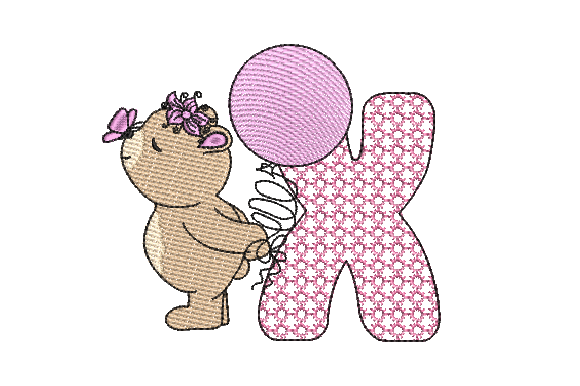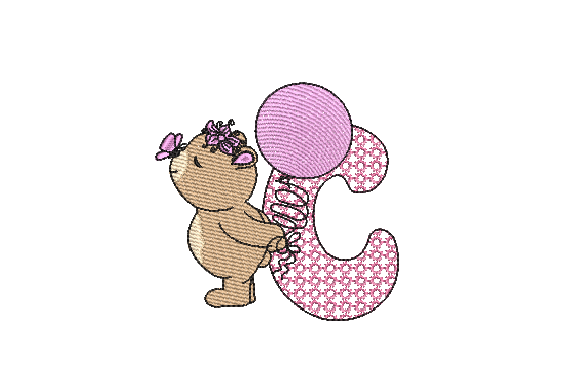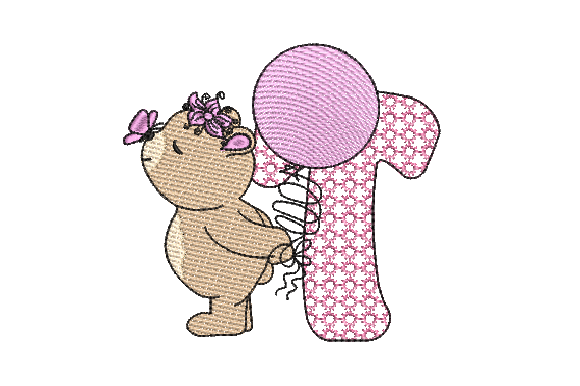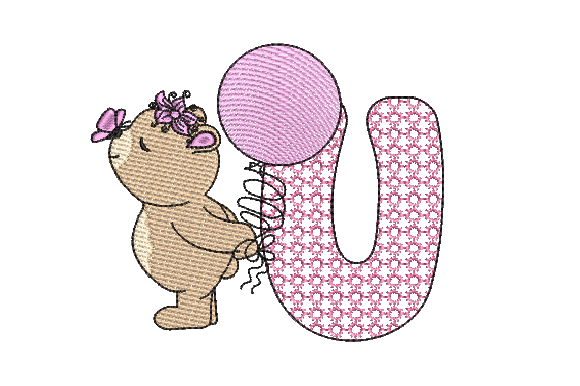
Y Girl Teddy: A Hand-Drawn Sketch for Modern Embroidery
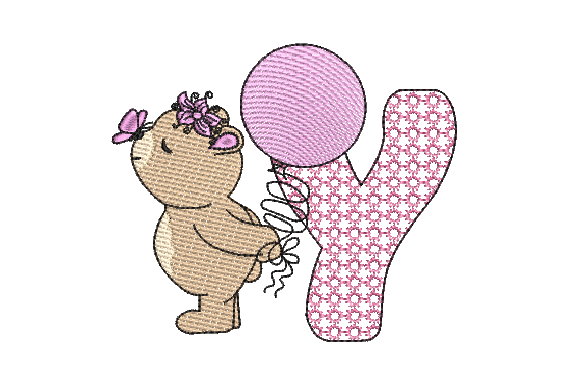
As a designer who spends more time at the hoop than away from it, I am always on the lookout for files that bridge the gap between digital precision and organic charm. When I first loaded the Y Girl Teddy design onto my screen, the immediate impression was one of playful simplicity. This isn't your standard, heavy-saturation teddy bear motif. Instead, it presents as a beautiful sketch, designed specifically to mimic the fluidity of a hand-drawn line. For those of us running small shops or creating personalized gifts, this aesthetic is gold. It moves away from the stiff, overly processed look of traditional machine embroidery and leans into the trendy, boutique style that customers currently crave.
The Aesthetic Appeal of Light Fill and Sketch Styles
The defining characteristic of Y Girl Teddy is its construction. The product description notes that it is "lightly filled with no or little underlay." From a technical standpoint, this is a deliberate choice that significantly alters how the design sits on fabric. Heavy underlay is great for durability on rough materials, but it can make small designs feel stiff and raised like a plastic patch. By minimizing this, the design allows the texture of the base material to shine through.
Visually, this creates a soft, integrated look. Whether you are stitching onto a cozy fleece sweatshirt or a crisp cotton tote bag, the embroidery feels like part of the garment rather than an addition glued on top. The "sketch" quality relies heavily on the interplay of running stitches and sparse fill stitches. This approach gives the teddy bear a whimsical, storybook personality. It feels less like a logo and more like an illustration brought to life with thread. For Etsy sellers and creative entrepreneurs, this visual language speaks directly to buyers looking for handmade authenticity.
Real-World Application: The Custom Tote Bag Scenario
To truly evaluate a machine embroidery design, I have to imagine it in a real project. Let's say I am preparing a run of custom canvas tote bags for a local boutique's holiday launch. Canvas has a distinct weave and a bit of tooth to it. A dense, satin-stitch heavy design might sink into the weave or pucker the fabric if not perfectly stabilized. However, Y Girl Teddy, with its light fill and sketchy outline, is ideally suited for this application.
In this scenario, the design would be stitched using a contrasting thread color—perhaps a deep charcoal on natural beige canvas or a soft pastel on a navy bag. Because the stitch density is low, the risk of puckering is minimized, even on a textured fabric. The result is a chic, minimalist accessory that doesn't scream "mass-produced." Customers interacting with this finished product would likely perceive higher value because the embroidery looks intentional and artistic. It transforms a simple utility item into a piece of wearable art, perfect for a small shop product line.
Versatility Across Apparel and Home Decor
Beyond tote bags, the versatility of this alphabet set element is impressive. Because it is part of an alphabet set, it implies scalability and coordination with text. Imagine pairing the Y Girl Teddy with a child's name on a baby onesie. The light fill ensures the garment remains soft against sensitive skin, a crucial factor for baby embroidery. There is no bulky backing rubbing against a newborn.
For home decor, consider a linen pillow cover or a kitchen tea towel. These items often undergo frequent washing. Designs with excessive stitch counts can sometimes degrade or cause fabric distortion over dozens of cycles. A lighter design like this tends to hold up well because there is less tension pulling on the fabric threads. It also works beautifully as an embroidered patch concept. If you digitize a border around it or stitch it onto a twill backing, the sketchy style remains intact, offering a unique alternative to the standard merrow-edge patches found in most catalogs.
Technical Considerations and Fabric Challenges
While the aesthetic is charming, a professional reviewer must address the limitations. The "no or little underlay" feature is a double-edged sword. On stable, woven fabrics like cotton, linen, or denim, this design will perform flawlessly. However, caution is required when moving to stretchy knits, such as jersey t-shirts or athletic wear. Without sufficient underlay to stabilize the fabric during the stitching process, the running stitches that form the sketch lines could distort if the fabric stretches while being hooped.
If you plan to use Y Girl Teddy on a stretchy sweatshirt or a cap, your choice of stabilizer becomes critical. You cannot rely on the design's internal structure to do the work. A high-quality cut-away stabilizer is non-negotiable here to prevent the sketch lines from wavering or breaking over time. Additionally, on dark fabrics, the "light fill" means the background color will show through significantly. This is usually desirable for the sketch effect, but you must ensure your thread colors have enough contrast. A dark thread on a dark fabric might render the details invisible, losing the impact of the hand-drawn look.
Maximizing Value for Craft Businesses
For the craft business owner, time is money. The description states this design is "quick to stitch out with a major impact." This is a vital metric for commercial embroidery. Long stitch times eat into profit margins, especially on low-cost items like bookmarks or small patches. A design that stitches quickly but looks complex allows for higher turnover.
Furthermore, the visual appeal of Y Girl Teddy enhances brand consistency. If your brand identity is rooted in warmth, nostalgia, or handmade quality, this design reinforces that message better than a generic, clip-art style bear. It builds customer trust; when a buyer sees thoughtful, artistic details, they associate that care with your entire brand. It encourages engagement on social media, as these "sketch-style" embroideries are highly photogenic and shareable, serving as excellent printable mockups for your online listings.
Final Designer Notes and Best Practices
Before committing this design to a client's heirloom blanket or a batch of merchandise, there are practical steps every embroiderer should take. First, always test the design on a scrap piece of the actual fabric you intend to use. This confirms how the light fill interacts with that specific fabric texture. Check the thread color contrast rigorously; what looks good on the screen may vanish on certain material backgrounds.
Review the stitch density settings in your software if you have the capability to edit the embroidery file. While the default is likely optimized, slight adjustments might be needed for very thick or very thin materials. Confirm the hoop size requirements to ensure it fits your project layout, especially if you are combining it with other elements of the alphabet set. Finally, and perhaps most importantly, verify the licensing terms. As a digital embroidery file intended for potential commercial use, you must confirm whether the license allows for selling finished products or if there are restrictions on the number of items produced.
In conclusion, Y Girl Teddy is a standout asset for designers who value subtlety and speed. It captures the trending hand-drawn aesthetic without sacrificing the durability required for functional items. Whether used for holiday embroidery, boutique branding, or personal gifts, it offers a fresh take on the classic teddy bear theme. With the right stabilizer and fabric choice, it delivers a professional, high-end finish that elevates any handmade product.